


Behind-the-Ear vs. In-the-Ear Hearing Aids: Which One Is Right for You?
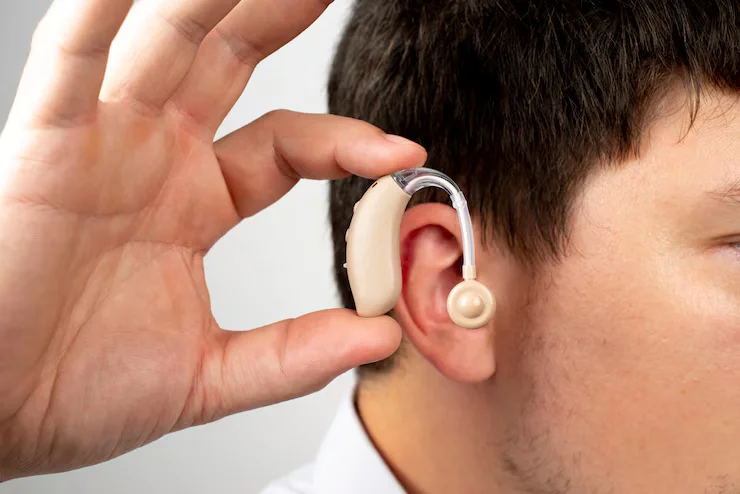
If you have been told you need hearing aids, one of the first choices you will face is the style: behind-the-ear or in-the-ear. Both can deliver excellent, clear hearing. The right pick comes down to your degree of hearing loss, the shape of your ear, how steady your hands are, and how you live day to day.
This guide breaks down the real differences, including the ones most articles skip, such as battery life, upkeep, cost in Ontario, and who each style genuinely suits best.
Quick answer: which style should you choose?
- Choose behind-the-ear (BTE or RIC) if you have moderate to severe hearing loss, want the longest battery life, prefer rechargeable options, or have trouble handling very small devices. It is the most versatile style and the most commonly fitted today.
- Choose in-the-ear (ITE, ITC, CIC, or IIC) if you have mild to moderate hearing loss, want the most discreet look, wear glasses or a mask, or find something tucked behind your ear uncomfortable.
There is no single “best” style for everyone. The best hearing aid is the one that matches your hearing test, suits your ears, and you will actually wear every day.
What is a behind-the-ear (BTE) hearing aid?
A behind-the-ear hearing aid rests on top of and behind your ear. A thin tube or wire carries sound into your ear canal through a soft dome or a custom earmould.
Most modern behind-the-ear devices are the receiver-in-canal (RIC) type, where the speaker sits inside the ear canal rather than in the body of the aid. RIC devices are slim, discreet, and now the most popular style fitted in Canadian clinics.
Behind-the-ear strengths:
- Fits almost any hearing loss. From mild all the way to profound, because there is room for more powerful components.
- Longest battery life. The larger body holds a bigger battery, so you get more hours between charges or changes.
- Rechargeable options. Most leading rechargeable models are behind-the-ear, which means no fiddly disposable batteries.
- Easier to handle. Larger buttons and bodies are friendlier for anyone with arthritis or reduced dexterity.
- Less affected by earwax and moisture. The electronics sit outside the canal, so they stay cleaner and are quick to service.
- Room for features. Bluetooth streaming, telecoils, directional microphones, and the newest technology usually appear in behind-the-ear models first.
Behind-the-ear trade-offs:
- Slightly more visible than the smallest in-ear styles, although modern RIC devices are far more subtle than older models.
- Shares space with glasses, masks, and oxygen tubing.
- Can catch wind noise outdoors if not fitted and programmed well.
What is an in-the-ear (ITE) hearing aid?
An in-the-ear hearing aid is custom moulded to sit inside your outer ear or ear canal. There is no part behind the ear. These come in a range of sizes, from larger and easier to handle down to nearly invisible:
- ITE (in-the-ear): Fills part or all of the outer ear bowl. The largest and easiest to handle of the custom styles.
- ITC (in-the-canal): Smaller, sits partly in the canal.
- CIC (completely-in-canal): Sits deep in the canal and is barely noticeable.
- IIC (invisible-in-canal): The most discreet option, sitting so deep it is essentially hidden. Learn more in our guide to invisible hearing aids.
In-the-ear strengths:
- Discreet. The smaller styles are hard to spot, which many first-time wearers appreciate.
- Nothing behind the ear. A comfortable choice if you wear glasses, a mask, or oxygen tubing, or dislike anything resting on top of your ear.
- Natural phone use. You can hold a phone to your ear normally, with no tube in the way.
- Stay put during activity. Custom-moulded aids sit securely, which some active wearers prefer.
In-the-ear trade-offs:
- Less power. Smaller housings suit mild to moderate loss and may not be strong enough for severe loss.
- Shorter battery life. Tiny batteries mean more frequent charging or changing, and fewer rechargeable options in the smallest sizes.
- More earwax and moisture exposure. Sitting inside the canal, they need more regular cleaning and can be more prone to wax-related repairs.
- Harder to handle. The smallest styles can be tricky to insert, remove, and clean if you have limited dexterity or vision.
- A “plugged” feeling. Filling the ear canal can cause the occlusion effect, where your own voice sounds boomy, especially with milder loss.
Behind-the-ear vs. in-the-ear: side-by-side comparison
| Factor | Behind-the-Ear (BTE / RIC) | In-the-Ear (ITE / ITC / CIC / IIC) |
|---|---|---|
| Best for hearing loss | Mild to profound | Mild to moderate (some ITE for moderately severe) |
| Visibility | Subtle, visible on close look | Discreet to nearly invisible |
| Battery life | Longest; strong rechargeable options | Shorter; fewer rechargeable options |
| Ease of handling | Easier, larger controls | Harder in the smallest sizes |
| Earwax and moisture | Less exposure, easier to maintain | More exposure, needs frequent cleaning |
| Bluetooth and features | Widest range, newest tech first | More limited in smaller sizes |
| Glasses and masks | Shares space behind the ear | Nothing behind the ear |
| Phone use | May need streaming or careful placement | Natural against the ear |
| Comfort concern | Can feel bulky for some | Can feel plugged (occlusion) |
How to choose: the factors that actually matter
Style preference is a starting point, not the deciding factor. Here is what your hearing care professional will weigh with you.
1. Your degree and type of hearing loss
Your audiogram comes first. More significant hearing loss usually points toward a behind-the-ear or RIC device, because it can deliver more power cleanly. Mild to moderate loss opens up the full range of in-the-ear styles. Understanding your results helps, so it is worth reading about the different types of hearing aids available before your fitting.
2. Dexterity and vision
If arthritis, tremors, or reduced vision make small objects difficult, larger behind-the-ear devices with bigger controls and rechargeable docks are far easier to live with than a tiny in-canal aid.
3. Battery life and charging
Prefer to drop your aids on a charger overnight and forget about batteries? Behind-the-ear rechargeable models give you the most hours per charge. If you want the smallest possible device, be ready for shorter battery life or more frequent changes.
4. Lifestyle and listening environments
Noisy restaurants, meetings, concerts, and phone-heavy workdays all shape the right choice. A device that streams calls straight to your ears may matter more than how it looks. We go deeper in our guide on how to choose the right hearing aid for your lifestyle.
5. Comfort and appearance
Some people will not wear anything visible, and that is a valid reason to lean in-the-ear. Others find anything inside the canal uncomfortable and prefer the open feel of a RIC fitting with a soft dome. The style you will wear consistently is the one that works.
6. Cost and coverage in Ontario
Pricing is similar across styles at the same technology level, so cost is driven more by features than by behind-the-ear versus in-the-ear. In Ontario, the Assistive Devices Program (ADP) covers a portion of the cost of hearing aids for eligible residents, and many people have additional private or workplace insurance. A clinic can confirm what you qualify for before you commit.
Maintenance: keeping either style working well
- Behind-the-ear and RIC: Wipe the body daily, replace wax guards and domes as advised, and keep the receiver and tubing clear. Because the electronics sit outside the ear, these devices tend to need fewer wax-related repairs.
- In-the-ear: Clean the faceplate and wax guard daily, since sitting in the canal means more exposure to wax and moisture. A drying kit or dehumidifier helps, and regular professional cleaning extends the life of the aid.
Whichever you choose, routine care and professional check-ups keep your hearing aids performing and reduce avoidable repairs.
The bottom line
Behind-the-ear and in-the-ear hearing aids are both excellent when they are matched to the right person. Behind-the-ear and RIC styles win on power, battery life, and ease of handling. In-the-ear styles win on discretion and that clear-behind-the-ear feel. Your hearing test, your ears, your hands, and your daily life decide the rest.
The surest way to choose well is a proper hearing assessment with a licensed professional who can show you both styles in person. Our team at the Kitchener-Waterloo hearing clinic will test your hearing, walk you through your options, and let you feel the difference before you decide.
Ready to find your fit? Call Discover Hearing Centre at 519-208-4327 to book your hearing assessment in Kitchener today.
Frequently asked questions
Are behind-the-ear or in-the-ear hearing aids better?
Neither is better for everyone. Behind-the-ear and RIC devices suit a wider range of hearing loss and offer longer battery life and easier handling. In-the-ear devices are more discreet and leave nothing resting behind the ear. The best choice depends on your hearing test, ear shape, dexterity, and lifestyle.
Which hearing aid style is best for severe hearing loss?
Behind-the-ear (BTE) devices are usually best for severe to profound hearing loss, because their larger size allows more powerful amplification delivered cleanly. In-the-ear styles are generally better suited to mild and moderate loss.
Are in-the-ear hearing aids more comfortable than behind-the-ear?
It depends on the person. Some find in-the-ear aids comfortable because nothing sits behind the ear, which helps if you wear glasses or a mask. Others feel a plugged sensation inside the canal and prefer the open feel of a behind-the-ear or RIC fitting. Comfort is best judged by trying both.
Do behind-the-ear hearing aids last longer than in-the-ear ones?
Battery life is typically longer on behind-the-ear devices, and they tend to need fewer wax-related repairs because the electronics sit outside the ear. With proper care, most hearing aids of either style last several years before they need replacing.
Can you get rechargeable in-the-ear hearing aids?
Yes, rechargeable in-the-ear models exist, but the longest battery life and widest rechargeable selection are still found in behind-the-ear and RIC styles. The smallest in-canal devices often still use disposable batteries.
How do I know which hearing aid style is right for me?
Book a hearing assessment with a hearing care professional. They will review your audiogram, examine your ears, consider your dexterity and lifestyle, and let you compare styles in person so you choose a device you will wear comfortably every day.

You Might Also Like

What Is the Assistive Devices Program for Hearing Aids?

How Do I Convince My Husband to Get a Hearing Test?

How Often Do Hearing Aids Need to Be Adjusted?
Take the First Step Toward Better Hearing
Schedule a Hearing Test Today
Have Questions?
Curious about hearing loss, tinnitus relief, or treatment options in Waterloo? Talk to one of our hearing care professionals today.