


Invisible Hearing Aids: Pros, Cons, Cost, and Who They’re Best For
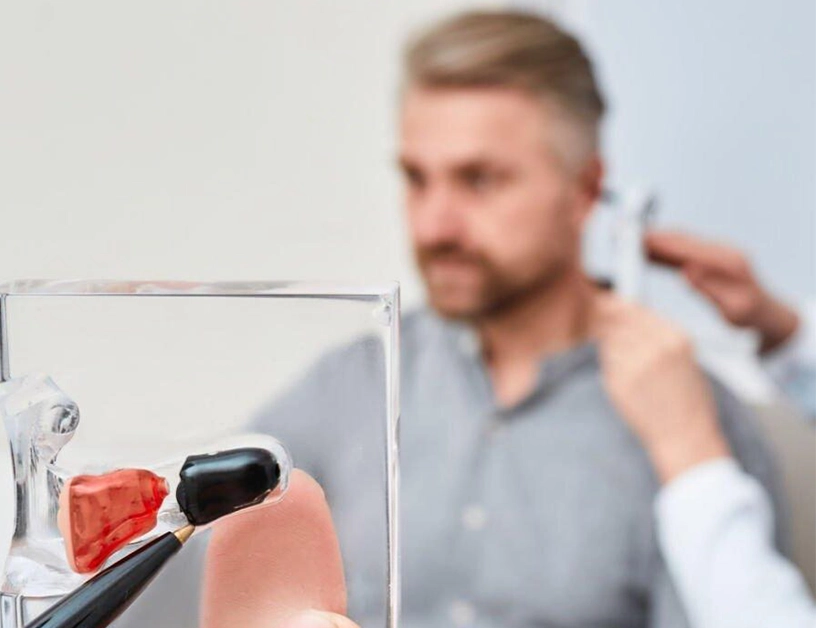
Invisible hearing aids (IIC and CIC styles) sit inside the ear canal and are nearly undetectable. They work best for mild to moderate hearing loss and require compatible ear anatomy. Prescription IIC and CIC devices cost $1,500 to $7,500 per pair. Key trade-offs include reduced battery life, limited Bluetooth, and less power for severe hearing loss. For the millions of individuals who avoid seeking treatment due to the appearance of traditional devices, understanding the pros and cons of invisible hearing aids provides a clear path forward. IIC and CIC models offer excellent benefits for suitable candidates, but determining your eligibility requires a professional assessment. Understanding your own ear anatomy, dexterity, and degree of hearing loss matters before you invest in IIC hearing aids Canada options or similar discreet solutions.
Key Takeaways:
- Invisible hearing aids sit deep in the ear canal for maximum discretion.
- They are ideal for mild to moderate hearing loss but lack the power for severe cases.
- Ear canal anatomy dictates candidacy; not everyone can physically accommodate the smallest devices.
- Trade-offs include shorter battery life, frequent wax maintenance, and limited Bluetooth connectivity.
- Custom prescription devices include professional fitting and care, unlike semi-custom over-the-counter (OTC) options.
What are invisible hearing aids?
IIC (Invisible-In-Canal) and CIC (Completely-In-Canal) are the two main styles of discreet hearing devices that sit inside the ear canal rather than resting behind or on the ear. Evaluating invisible hearing aids requires understanding the physical differences between these two distinct categories.
The IIC style sits deepest, making it nearly invisible when worn. Because it sits so far down the canal, it uses the smallest available battery, is the hardest to insert, and requires a large enough ear canal to house the components. The CIC style sits closer to the ear canal entrance. It is slightly visible but accommodates a somewhat larger battery, is easier to handle, and can support slightly more features. Both prescription styles are custom-moulded to the individual’s ear canal rather than relying on a universal fit. On the other hand, OTC invisible options use semi-custom or one-size designs that result in a less precise fit, making them suitable only for basic, mild hearing loss.
What are the pros of invisible hearing aids?
Discretion is the main reason people choose these devices, but their deep-canal placement also offers meaningful secondary benefits. Weighing the pros and cons of CIC hearing aids often highlights acoustic advantages you cannot get from exterior models.
- Nearly undetectable: Deep placement reduces the social stigma many feel about visible hearing devices.
- Natural sound localization: Sitting inside the canal lets the outer ear’s natural shape funnel sound as biology intended, improving spatial awareness.
- Reduced wind noise: A microphone recessed inside the ear canal picks up far less wind interference than one exposed on top of the ear.
- Compatibility: With no components resting behind the ear, these devices never interfere with glasses, face masks, or standard telephone use.
- Active lifestyles: Secure placement makes them easier to wear while exercising, playing sports, or even resting.
What are the cons of invisible hearing aids?
The smaller physical size creates real limitations concerning battery capacity, processing power, available features, and daily handling.
- Shorter battery life: The smallest zinc-air batteries power IIC models for only one to three days, while CIC models typically last five to seven days.
- Limited amplification: Because of size constraints, IIC and most CIC devices can’t deliver enough power for moderate-to-severe or severe hearing loss.
- Ear wax maintenance: Deep canal placement makes wax buildup a constant factor, requiring daily cleaning and regular filter changes to prevent damage.
- Dexterity requirements: The tiny size makes these devices challenging to insert, remove, and maintain. This is a critical factor for older users or anyone with fine motor difficulties.
- Fewer wireless features: Many IIC and CIC models lack Bluetooth connectivity because of space limitations, limiting direct streaming from phones or televisions.
- Anatomical limitations: Not all ear canals are wide or straight enough to accommodate custom IIC devices. A thorough hearing test and physical assessment by a specialist are mandatory to determine candidacy.
Who should consider invisible hearing aids?
Mild to moderate hearing loss, good manual dexterity, and suitable ear canal anatomy are the three key criteria for successful IIC or CIC adoption. The best candidates are active adults with mild-to-moderate hearing loss who maintain busy social or professional lives and feel self-conscious about wearing visible devices.
During your consultation, a hearing specialist will assess your canal size and shape. Some anatomies simply cannot safely or comfortably house an IIC device. These styles are also not recommended for people with significant earwax production, poor manual dexterity, or a need for Bluetooth streaming. Most importantly, invisible hearing aids are generally ineffective for severe hearing loss. If your audiogram indicates severe or profound loss, you’ll need a behind-the-ear or receiver-in-canal model to provide the required amplification. Proper hearing aid fitting ensures the chosen style matches your specific audiological requirements.
How much do invisible hearing aids cost?
Over-the-counter options start under $1,000 per pair, while custom prescription IIC and CIC devices typically cost between $1,500 and $7,500 or more per pair. When evaluating invisible hearing aids cost, it is essential to factor in the level of clinical care included.
OTC models (like Eargo or Jabra Enhance) range from $799 to $2,699 per pair. These provide a semi-custom fit but lack dedicated professional support and fine-tuning. Prescription CIC models typically range from $1,500 to $4,000 per pair at most Canadian hearing clinics. Premium prescription IIC models (from leading manufacturers like Phonak, Signia, or Widex) range from $3,000 to over $7,500 per pair.
When researching the cost of completely-in-canal hearing aids in Ontario, residents should also factor in the Assistive Devices Program (ADP). The ADP provides partial coverage for eligible individuals, which can offset the initial investment. Always confirm current grant amounts and eligibility requirements with Discover Hearing Centre. Remember that custom prescription devices include professional fitting, specific acoustic adjustments, and ongoing follow-up care built into the price.
FAQ
Are invisible hearing aids as effective as standard behind-the-ear models?
For mild to moderate hearing loss, yes. For moderate-to-severe or severe loss, behind-the-ear and receiver-in-canal models deliver more amplification and advanced features than IIC or CIC devices can physically support.
Can I get Bluetooth in an invisible hearing aid?
Some CIC models offer limited Bluetooth connectivity, but IIC devices are generally too small to include the necessary antennas. If streaming audio directly from a phone or television is a priority, a CIC or slightly larger style is the better choice.
Do invisible hearing aids work if I have severe hearing loss?
No. IIC and CIC devices are specifically engineered for mild to moderate hearing loss. Severe or profound hearing loss requires a more robust, powerful device, typically a behind-the-ear or receiver-in-canal model.
How long do invisible hearing aids last?
Most well-maintained hearing aids last four to seven years. IIC and CIC devices may require more frequent professional cleaning and repairs due to their vulnerable location deep inside the warm, moist ear canal.
Do I need to see a hearing specialist for invisible hearing aids?
For prescription IIC and CIC devices, yes. These units are custom-moulded to your exact ear canal shape and acoustically programmed to your specific audiogram. OTC invisible options are available without a professional but will not offer the same precise fit, targeted programming, or ongoing clinical care.
Balancing Discretion with Optimal Hearing Health
Invisible hearing aids are a genuinely effective option for the right candidate, offering unmatched cosmetic appeal. However, that discretion often comes at the expense of battery life, Bluetooth capabilities, and raw amplification power. A professional hearing assessment is the only reliable way to know if your ear anatomy and specific degree of hearing loss make an IIC or CIC device the right choice for your lifestyle. To explore the best hearing services and find out which style suits you, contact the clinic today to book your comprehensive hearing assessment at Discover Hearing Centre.

You Might Also Like

Why Diabetics Should Include a Hearing Test in Their Annual Health Routine

Can You Trial Hearing Aids Before Buying? What to Know and Ask

7 Questions to Ask Before Booking a Hearing Test
Take the First Step Toward Better Hearing
Schedule a Hearing Test Today
Have Questions?
Curious about hearing loss, tinnitus relief, or treatment options in Waterloo? Talk to one of our hearing care professionals today.