


How Untreated Hearing Loss Affects Brain Health and Quality of Life

Imagine trying to follow a movie with the sound turned down low. You’re straining to catch the words, filling in the gaps, and after a while, you’re just plain tired. That’s what living with untreated hearing loss can feel like, except it’s not just a Friday night flick you’re missing. It’s daily conversations, laughter with friends, and those little life moments that make you feel connected.
Untreated hearing loss doesn’t just make the world quieter; it can take a real toll on your brain health and overall quality of life. Studies continue to show a strong link between hearing loss and brain health, with impacts ranging from cognitive decline to social isolation.
It’s a growing concern, especially in Canada, where nearly half of adults over the age of 60 experience some form of hearing loss, yet many delay treatment. Why the hesitation? Sometimes it’s denial: “It’s not that bad.” Other times, it’s worry about cost, stigma, or simply not knowing where to start. But the longer hearing loss goes untreated, the more the brain must work overtime, and the harder it becomes to reverse the effects.
The good news? Early intervention with hearing aids can make a world of difference, both in protecting cognitive health and keeping life rich with connection. At Discover Hearing Centre in Kitchener, we’ve seen firsthand how taking action early can help prevent these negative effects and bring back the joy of everyday life.
Key Takeaways
- Untreated hearing loss can speed up cognitive decline and increase the risk of dementia.
- Hearing loss often contributes to social isolation and emotional challenges like anxiety or depression.
- Early intervention with hearing aids supports brain health and preserves quality of life.
- Professional care at Discover Hearing Centre ensures a customized, effective approach to your hearing needs.
How Untreated Hearing Loss Affects the Brain
When hearing loss is left untreated, your brain has to work overtime just to process sound. Picture your brain as a team of workers in an office. Normally, everyone has their role; some handle hearing, others manage memory, problem-solving, and emotional regulation. When the hearing “department” struggles, the other departments have to pitch in. That leaves fewer resources for tasks like remembering names, focusing on work, or making decisions.
This constant strain can lead to cognitive decline, a gradual loss of thinking skills that can significantly affect daily living. Research from Johns Hopkins University found that even mild hearing loss can double the risk of dementia, moderate loss can triple it, and severe loss can increase the risk fivefold.
It’s not just about memory loss, either. When your brain has to “fill in the blanks” during conversations, it uses up cognitive energy that would normally be reserved for comprehension, creativity, or decision-making. Over time, that can make you feel mentally exhausted, even after relatively short interactions.
And then there’s the emotional impact. People with untreated hearing loss are more likely to experience anxiety, frustration, and depression. Imagine constantly worrying about mishearing someone at work or missing the punchline of a joke. Those small, daily stressors can add up, wearing away at confidence and self-esteem.
The Link Between Hearing Loss and Social Isolation
Social isolation isn’t just a side effect of hearing loss; it’s often one of its most damaging consequences. At first, it might start subtly. You might decline an invitation to a loud restaurant because you know you’ll struggle to follow the conversation. You might stop answering the phone as often because phone calls feel stressful. Gradually, these choices can add up to a quieter, lonelier life.
The absence of social connection doesn’t just hurt emotionally; it has profound health implications. Research suggests loneliness can increase the risk of premature death at rates comparable to smoking 15 cigarettes a day. For those with untreated hearing loss, the combination of isolation and reduced brain stimulation can accelerate cognitive decline.
Relationships can also take a hit. Communication breakdowns can cause misunderstandings, frustration, and even resentment. Loved ones may misinterpret your withdrawal as disinterest, when in reality, you’re simply trying to avoid the embarrassment of not hearing clearly.
And here’s the kicker: the more isolated you become, the less motivated you may feel to seek help. It’s a vicious cycle that only early intervention can break.
The Importance of Early Intervention
Here’s the truth: the earlier you address hearing loss, the better your chances of protecting your brain health and maintaining your quality of life. To learn more about why acting early is so critical, check out The Importance of Early Intervention for Hearing Loss.
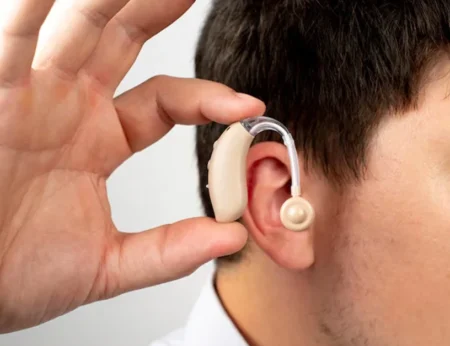
Hearing aids aren’t just about making sounds louder; they’re about keeping your brain engaged and functioning optimally. By restoring access to sound, you allow your brain to process conversations naturally again, reducing the mental strain that leads to fatigue and memory problems.
Early intervention also means you adapt more easily. People who start using hearing aids soon after noticing a change in hearing typically report greater satisfaction and better long-term outcomes than those who wait. Why? Because your brain remains “in practice” when it comes to processing sound. Wait too long, and your brain may lose some of that processing ability.
Think of it like muscle strength: if you stop using a muscle, it weakens. The same principle applies to the brain’s ability to interpret sound.
- The benefits of early treatment go beyond cognitive health:
- You stay active in conversations without feeling exhausted.
- You can enjoy social activities without the constant mental strain.
- You maintain stronger relationships with family and friends.
- You protect your mental health by reducing feelings of isolation and depression.
How Discover Hearing Centre Can Help
At Discover Hearing Centre, we know hearing loss affects more than just your ears; it impacts your relationships, confidence, and long-term health. That’s why we offer more than just a standard hearing test.
Comprehensive hearing evaluations are the first step in the process. We take the time to understand not just your hearing levels but your lifestyle, communication needs, and any concerns about cognitive health. This holistic approach ensures we can recommend solutions that truly fit your life.
When it comes to personalized hearing aid fittings, we use advanced technology designed to deliver clear, natural sound in a wide range of listening environments. Our team walks you through every step, from understanding your test results to selecting the features that best support your needs.
We also believe follow-up care is just as important as the initial fitting. Hearing aids are most effective when they’re comfortable, well-maintained, and properly adjusted to your environment. Our ongoing support means you’re never left guessing about how to get the best results.
Above all, we aim to make the process comfortable and reassuring. We understand that taking the first step can feel daunting, but we’ve helped countless people in Kitchener regain not just their hearing, but their connection to the people and activities they love.
Protect Your Mind, Protect Your Life
Untreated hearing loss isn’t just an inconvenience; it’s a serious health issue with lasting consequences for your brain and overall well-being. The link between hearing loss and brain health is undeniable, and the impact of hearing loss on quality of life is too important to ignore.
From cognitive decline to social isolation, the risks are real; however, so are the rewards of taking early action. By addressing hearing loss early with the help of hearing aids and professional care, you can maintain your cognitive function, stay socially engaged, and continue to enjoy the moments that make life meaningful.
Don’t let hearing loss shrink your world. Take charge of your hearing, your brain health, and your future. Schedule your hearing evaluation with Discover Hearing Centre today, and take the first step toward protecting both your mind and your life.
Discover Hearing Centre is a local clinic specializing in the treatment of hearing loss. We’ve worked with hundreds of patients to help them maintain their independence. Whether you’re experiencing hearing loss or tinnitus, we’re dedicated to improving your quality of life through better hearing. When you choose us, you choose a team committed to your well-being.
Call us today at 519-208-4327 or complete our convenient online form to learn more about how we can assist you with hearing loss issues.

You Might Also Like

7 Questions to Ask Before Booking a Hearing Test
How to Protect Your Hearing at Concerts and Festivals

Hearing Aid Domes vs Custom Earmoulds: Which Is Better for You?
Take the First Step Toward Better Hearing
Schedule a Hearing Test Today
Have Questions?
Curious about hearing loss, tinnitus relief, or treatment options in Waterloo? Talk to one of our hearing care professionals today.