


How to Communicate with Someone Who Has Hearing Loss: The Complete Family Guide

Have you ever found yourself repeating the exact same sentence three times, only to be met with a blank stare or a nod that clearly says, “I still have no idea what you just said”? You are absolutely not alone. The process of communicating with someone with hearing loss can often feel like trying to have a heart-to-heart conversation across a crowded, noisy room. It is frustrating, it is exhausting, and quite frankly, it can easily put a wedge between you and the people you love most.
Whether you are dealing with a spouse who insists you are constantly mumbling or you are talking to an elderly parent with hearing loss who is slowly withdrawing from family dinners, the struggle is incredibly real. According to statistics from the World Health Organization, millions of people experience disabling hearing issues, making this a universal family challenge. But here is the good news. There are highly practical, family-friendly ways to bridge that communication gap. We are going to walk through some incredibly effective communication strategies for hearing loss together.
Key Takeaways
- Clarity trumps volume: Shouting distorts your face and your voice. Speaking clearly at a natural pace is always more effective.
- Context is everything: Setting up your environment by reducing background noise and ensuring good lighting sets the stage for success.
- Rephrase, do not just repeat: If they miss a sentence, use different words the second time around to provide new acoustic clues.
- Tech is your friend: From smartphone apps to specialized listening devices, modern technology can drastically reduce listening fatigue.
- Patience is a shared responsibility: Communication is a two-way street, and repairing misunderstandings takes teamwork and empathy.
Understanding What Hearing Loss Changes in Conversation
Why Hearing Loss Affects More Than Volume
Think about trying to listen to your favourite radio station when it is slightly out of tune. Turning up the volume on the radio does not make the song clearer. It just makes the static louder. This is exactly what it is like for many people with hearing challenges. The issue is often about clarity versus loudness.
Certain high-frequency sounds, like consonants (S, F, Th, Sh), are the first to drop out. This means “cat” and “hat” sound identical. When you add background noise hearing loss struggles into the mix, the brain has to work overtime just to fill in the blanks. This intense cognitive load leads directly to listening fatigue. By the end of the day, they are not ignoring you. They are just exhausted. Furthermore, if they suffer from ringing in the ears, known as tinnitus, their brain is competing with internal and external noise. Keep in mind that even with modern interventions, hearing aids do not completely restore “normal” hearing the way glasses fix vision. They are incredible tools, but they still require good communication habits from everyone in the room.
The Emotional Impact on Families
When communication breaks down day after day, the emotional toll can be heavy. You might feel a pang of guilt for losing your temper. They might feel completely isolated. Very often, a spouse will think, “You are just ignoring me on purpose,” which can create unnecessary strain on the relationship.
Hearing loss and relationships are deeply connected. When a person cannot keep up with the fast pace of a group chat, their natural defence mechanism is withdrawal. They might sit quietly in the corner during Thanksgiving, pretending to read a magazine, simply because engaging is too difficult. Validating these emotional struggles is the very first step toward finding a lasting solution.
The Foundation of Better Communication
Before You Speak: Set Up for Success
You would not try to read a book in the pitch dark. Similarly, you should not try to have a deep conversation while walking away or looking into a cupboard. Before you even open your mouth, get their attention first. Say their name or offer a gentle tap on the shoulder.
Next, make sure you face the person directly. Good lighting is critical because human beings naturally rely on speechreading (lipreading) to understand context, even if they do not realize they are doing so. Finally, do your best to reduce background noise. Turn off the running water or mute the television before you start chatting.
While You’re Talking: Speak for Clarity, Not Volume
Is it tempting to just yell? Absolutely. Does it work? Almost never. Shouting distorts the natural shape of your lips and makes you sound angry. Instead, maintain a natural pace and speak for clarity. Do not shout, but do make a conscious effort to pronounce your words crisply.
Avoid exaggerating your lip movements, as this actually makes it much harder for someone to read your lips. Pause slightly between ideas to give their brain a fighting chance to process the information. Feel free to use gestures naturally, as body language provides massive contextual clues.
If They Didn’t Catch It, Do This Instead
We have all been there. You say a sentence, they say “What?”, and you repeat it exactly the same way. If they did not catch it the first time, repeating the same phonetic sounds will likely yield the exact same result. Instead, you need to rephrase.
If you say, “The dog needs to go out,” and they miss it, switch it up to, “Can you take Buster to the backyard?” You are providing entirely different consonants and vowels to help them piece the puzzle together. If things get really stuck, simplify your sentence, or simply write or text it. Always confirm understanding with a quick smile and a nod.
Also Read: 10 Essential Tips for Better Hearing During Holiday Gatherings
Real-Life Family Situations
In the Car
Cars are essentially metal boxes hurtling down a noisy highway. Between engine rumble, road friction, and wind, communicating in the car is incredibly tough. If you need to have an important chat, reduce the music or turn it off entirely. Avoid back-seat speaking at all costs. If you are driving and your spouse is in the passenger seat, wait until you are stopped at a red light to confirm important details so you can turn your head safely.
At Restaurants & Social Gatherings
Restaurants are notorious for terrible acoustics. Clinking silverware, loud music, and overlapping chatter create a perfect storm for miscommunication. When making a reservation, always request quieter seating away from the kitchen or the front door. Institute a “one speaker at a time” rule at your table. If you are researching how to talk to someone who is hard of hearing in a busy place, remember that leaning in close and using a captioning app on your phone can save the evening.
During Family Holidays
Family gatherings are chaotic and loud. To set your loved one up for success, pre-brief relatives before they arrive. Gently remind the grandkids to look Grandma in the eye when they speak. It is also incredibly helpful to establish a conversation buddy system. Have one person sit next to the individual with hearing challenges to quietly fill in any missed jokes or changes in topic. Above all, plan listening breaks. Encourage them to step into a quiet room for fifteen minutes to let their brain rest.
Watching TV Together
The volume wars are a tale as old as time in households dealing with hearing issues. One person wants the TV at level 15, and the other needs it at level 50. The easiest fix is to turn on the captions. It might take a few days to get used to reading the screen, but it dramatically lowers the required volume. Sit nearby so you can chat easily, and please, do not try to speak to them from another room while the television is blaring.
Phone & Video Calls
Standard phone calls strip away all visual cues. Whenever possible, prefer video calls like FaceTime or Zoom so they can see your face. There are also excellent captioned calling options available today. When sharing important details over the phone, make sure to repeat phone numbers clearly and slowly.
If these challenges sound familiar, a hearing assessment can help identify the cause and provide a path forward for your family.
Technology That Makes Communication Easier
Smartphone Captioning Tools
We live in an incredible era of technology. If you are wondering how to help someone with hearing loss on the fly, look no further than the device in your pocket. Apple users can activate Live Captions (iPhone) in their accessibility settings to transcribe conversations in real time. Android users have access to Live Transcribe (Android), an incredibly accurate app developed with Gallaudet University. Knowing when to use them (like at a loud doctor’s office or a noisy cafe) is half the battle.
Assistive Listening Devices
Sometimes, standard hearing aids need a little boost. Assistive listening devices (ALDs) bridge the gap in specific environments. TV streamers beam the television audio directly into a person’s hearing aids, allowing them to control their own volume independently. Remote microphones can be clipped onto a spouse’s shirt during a busy lecture or in the car. Hearing loops in public venues allow sound to be transmitted directly to the telecoil in a hearing device. Families benefit most when they explore funding options, such as the Ontario Assistive Devices Program, to help cover the costs of these brilliant tools.
The Emotional Side of Communication
What to Say Instead of “Never Mind”
There is no phrase more hurtful to someone struggling to hear than “never mind” or “it is not important.” Those phrases instantly tell the person that they are not worth the effort it takes to communicate with them. Instead of dismissing them, keep a few empathetic scripts in your back pocket:
- “Let me say that another way.”
- “Let’s move somewhere quieter.”
- “Can I get your eyes for a second?”
How to Repair After Miscommunication
Tensions will inevitably rise. A misheard word can lead to a bizarre misunderstanding or hurt feelings. Adopt a quick reset approach. If frustration bubbles up, take a deep breath and stay calm. Acknowledge the difficulty with a shared responsibility mindset. Say something like, “I know it is loud in here, let us try that again.” It reminds them that it is you and them tackling the problem together, not you against them.
Safety & Emergency Communication at Home
Communication is not just about casual chatting. It is also about staying safe. Traditional alarms rely entirely on high-pitched sounds, which are often completely inaudible to those with hearing damage. Look into installing smoke/CO detectors with visual alerts or strobe lights. You can also get doorbell flashers that signal the living room lamps to blink when someone is at the door. Establish clear emergency planning tips with your family, and always ensure you have a backup communication plan, like a dedicated group text thread, in case verbal warnings fail.
When It’s Time for a Hearing Test
Signs of Communication Issues Need Professional Help
Despite your very best efforts, hard-of-hearing communication tips can only take you so far if the underlying condition is progressing. It is time to seek professional help if you notice frequent repetition becoming the daily norm. Other red flags include the TV volume increasing month over month, the individual actively avoiding social events they used to love, and family tension rising over simple conversations.
What Happens During a Hearing Assessment
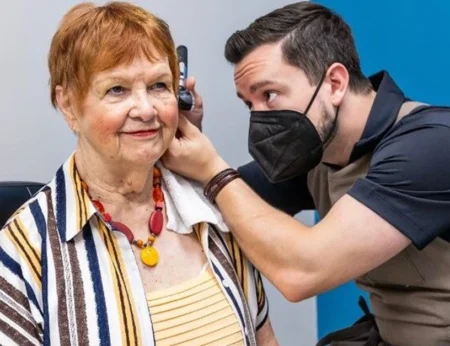
Many people avoid the clinic out of fear, but a hearing test is entirely painless. It begins with a simple explanation of your lifestyle and medical history. Next, the clinician will look inside your ears and play a series of tones and words through headphones. The goal is to remove fear/anxiety from the process and emphasize personalized solutions tailored specifically to your family’s daily life.
Book a Hearing Assessment in Kitchener
You do not have to navigate this journey in the dark. If you are looking for a highly rated hearing clinic in Kitchener, our team is ready to support you. We pride ourselves on being a trusted hearing specialist in Kitchener, offering comprehensive care. If communication at home is becoming frustrating, a hearing assessment may help restore clarity and connection. Reach out to schedule a thorough hearing assessment Kitchener families trust.
Book Your Hearing Test
Also Read: Understanding the Different Stages of Hearing Loss
Quick Family Communication Checklist
To make these habits stick, print out this quick recap and keep it on the fridge:
- Get attention first before speaking.
- Communicate face-to-face in a well-lit area.
- Reduce noise in the background whenever possible.
- Speak clearly at a normal, natural pace.
- Rephrase instead of repeat when they miss a word.
- Use captions for television and mobile devices.
- Be patient and remember you are a team.
FAQ Section
How do you communicate with someone who has hearing loss?
Ensure you have their attention before speaking, face them directly, and maintain a natural speaking pace. Reduce background noise, speak clearly without shouting, and use gestures or written notes to help provide context if they struggle to catch specific words.
Is it rude to shout?
Yes, shouting is generally considered rude and counterproductive. Shouting distorts your lip movements and facial expressions, making it harder for the person to understand you. It also alters the pitch of your voice and can come across as aggressive or impatient.
What’s better, repeat or rephrase?
It is always better to rephrase. If someone misses a word the first time, repeating the exact same sounds will likely cause them to miss it again. Using different words provides new consonant and vowel sounds, giving their brain fresh clues to understand the context.
How can I help my elderly parent with hearing loss?
Speak face-to-face, optimize their living space by reducing background noise, and ensure good lighting. Accompany them to a hearing specialist in Kitchener, help them manage their hearing aids, and set up assistive technologies like TV streamers or smartphone captioning apps.
Do hearing aids fix communication problems completely?
No, hearing aids do not cure hearing loss the way glasses fix vision. They amplify and process sound to make listening easier, but they do not fully restore natural hearing. Effective communication still requires patience, facing the listener, and minimizing distracting background noise.
Are phone captions accurate?
Yes, modern phone captions are highly accurate. Features like Live Captions on iPhone and Live Transcribe on Android use advanced speech recognition technology to provide fast, reliable text. While not flawless in extremely noisy environments, they are excellent tools for everyday conversation.
Bridging the Gap: Reconnecting with the Ones You Love
Ultimately, navigating the waters of hearing loss within a family is a journey of patience, teamwork, and love. By stepping away from the frustration of shouting across the room and instead stepping closer to speak clearly and face-to-face, you can completely transform your daily interactions. Whether you are leveraging the latest smartphone apps, establishing new habits at the dinner table, or finally deciding it is time to visit a professional, every small step you take helps restore the bonds that matter most.

You Might Also Like
7 Questions to Ask Before Booking a Hearing Test
How to Protect Your Hearing at Concerts and Festivals

Hearing Aid Domes vs Custom Earmoulds: Which Is Better for You?
Take the First Step Toward Better Hearing
Schedule a Hearing Test Today
Have Questions?
Curious about hearing loss, tinnitus relief, or treatment options in Waterloo? Talk to one of our hearing care professionals today.