


Pulsatile vs. Non-Pulsatile Tinnitus: Key Differences and Causes

If you’ve ever noticed a ringing, whooshing, or humming in your ears when the world around you is completely silent, you’re not alone. Tinnitus, which is often described as hearing a sound without an external source, is far more widespread than most people estimate, with millions of Canadians suffering from it. However, not all tinnitus sounds are created equal. Yes, you read that right, there are levels of tinnitus. For some, it sounds like a drum in the same rhythm as your pulse, while for others, it’s like an endless hum like a fluorescent light that refuses to turn off.
These basically are the two main types of tinnitus: pulsatile and non-pulsatile. Understanding which one you have can make all the difference in getting the right help.
At Discover Hearing Centre in Kitchener, we have been helping patients across Kitchener-Waterloo identify the cause of their tinnitus and find practical, effective solutions for relief.
Key Takeaways
- Pulsatile tinnitus is rhythmic and in sync with your heartbeat.
- Non-pulsatile tinnitus is continuous, like ringing or buzzing.
- Causes can range from changes in blood vessels to hearing loss.
- A professional tinnitus evaluation is essential for accurate diagnosis.
- Discover Hearing Centre offers personalized tinnitus assessments and hearing tests in Kitchener and Waterloo.
Understanding Tinnitus
Contrary to popular opinion, tinnitus is not a condition in itself; it’s actually a symptom. Think of it as your ear’s way of signalling that something’s out of tune. It can take many different forms—ringing, hissing, buzzing, or even chirping. It might come and go or be there constantly. Some people notice it only in quiet rooms, while others can’t escape it even in busy environments.
The sound itself might be soft or loud, steady or pulsing, so you can see that it can vary greatly from person to person. The one universal thing, though, is the frustration. Tinnitus can affect quite a few things, such as sleep, concentration, and overall peace of mind.
As said, tinnitus is a symptom, but its causes can be widespread, ranging from hearing loss and earwax buildup to circulatory changes and even nerve damage. That’s why understanding the type of tinnitus you have matters so much to find an effective tinnitus treatment.
Also Read: What is the Best Way to Relieve Tinnitus?
What Is Pulsatile Tinnitus?
If your tinnitus seems to “beat” in rhythm with your heart, you might have pulsatile tinnitus. The sound is often described as a whooshing, throbbing, or rhythmic pulsing sound that matches your heartbeat.
The cause? Usually, something related to blood flow. Basically, when the blood vessels near your ear or brain change in structure or flow, they can create sound vibrations that the ear picks up. It’s like your body has its own internal metronome, just that this one doesn’t keep pleasant time.
Common Causes of Pulsatile Tinnitus
- High blood pressure or turbulent blood flow
- Atherosclerosis (narrowed arteries)
- Middle ear infections or fluid buildup
- Tumours near the ear or skull base
- Structural abnormalities in blood vessels
Symptoms and Diagnosis
People with pulsatile tinnitus often notice the sound only in one ear. However, because it could be linked to vascular issues, it’s critical to get it properly diagnosed to avoid bigger problems. A tinnitus evaluation may include hearing tests, CT or MRI scans, and a thorough medical history to help us identify the root cause.
Treatment Options
And that root cause is what treatment is usually focused on. Whether it’s managing blood pressure, treating infections, or correcting structural concerns, treating the cause will relieve or even eliminate the symptom. When necessary, hearing specialists and physicians can work together to get the most efficient treatment plan.
What Is Non-Pulsatile Tinnitus?
Non-pulsatile tinnitus is what most people think of when they hear the term “tinnitus.” This constant or recurring ringing, buzzing or hissing sound that makes up the unwanted soundtrack that doesn’t have an off button.
This type of tinnitus is most often tied to hearing loss or inner ear damage, particularly from loud noise exposure or the natural effects of aging.
Common Causes of Non-Pulsatile Tinnitus
- Age-related hearing loss
- Noise-induced hearing damage (concerts, power tools, headphones)
- Earwax blockage
- Ototoxic medications (drugs that affect hearing)
- Head or ear injury
Symptoms and Diagnosis
In most cases, the sound is high-pitched and steady and can occur in one or both ears. To properly diagnose it, your hearing specialist will do a comprehensive hearing test, review your medical history, and perform an ear examination.
Treatment Options
Unlike pulsatile tinnitus, non-pulsatile tinnitus can’t always be “cured.” However, it can be effectively managed. Common tinnitus treatments include:
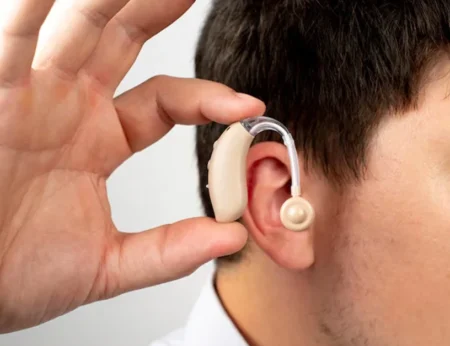
- Hearing aids that amplify external sounds and mask the tinnitus
- Sound therapy using customized tones or white noise
- Tinnitus Retraining Therapy (TRT) to help your brain tune out the noise
- Counselling and support to manage stress and improve quality of life
At Discover Hearing Centre, we specialize in evidence-based approaches to build personalized management plans that will target both the sound and its emotional impact.
Also Read: Tinnitus Retraining Therapy (TRT): Does It Really Work?
Key Differences Between Pulsatile and Non-Pulsatile Tinnitus
| Aspect | Pulsatile Tinnitus | Non-Pulsatile Tinnitus |
| Sound Type | Rhythmic, heartbeat-like | Continuous ringing or buzzing |
| Primary Cause | Vascular or circulatory issues | Hearing loss or inner ear damage |
| Laterality | Often one ear | Can affect one or both ears |
| Diagnostic Method | Imaging + hearing tests | Hearing test + symptom evaluation |
| Treatment Approach | Treat underlying cause | Manage symptoms and hearing loss |
Both types share one important truth: you should never ignore them. If you’re hearing noises no one else can, it’s time to get a proper diagnosis.
When to Seek Medical Attention
The problem with tinnitus is that while it doesn’t always mean something serious is going on, there could be. If you experience pulsatile tinnitus, tinnitus in only one ear, or sudden hearing changes, don’t wait it out. They could signal underlying conditions that may require medical attention.
Other red flags include:
- Dizziness or vertigo
- Head or neck pain
- Tinnitus that’s worsening over time
In the best case, an early diagnosis can rule out a serious cause and also improve your chances of managing the condition effectively.
If you’re searching for a hearing clinic near me in Kitchener or Waterloo, look no further than Discover Hearing Centre.
You Might Also Like: What Is Tinnitus? Causes, Symptoms, and Treatment Options
Professional Tinnitus Evaluation at Discover Hearing Centre
To get to the root of your tinnitus, we start with a detailed tinnitus evaluation. At Discover Hearing Centre, we take a thorough, step-by-step approach that is designed to create your unique hearing profile.
Here’s what to expect:
- Initial Consultation: We’ll discuss your tinnitus symptoms, medical history, and lifestyle factors.
- Comprehensive Hearing Test: We assess both hearing sensitivity and ear health with advanced diagnostic tools.
- Tinnitus Assessment: We determine whether your tinnitus is pulsatile or non-pulsatile and measure its impact on your daily life.
- Customized Management Plan: Based on your results, we recommend solutions such as sound therapy, hearing aids, or specialist referrals if necessary.
Expert Insights and Recommendations
Tinnitus is not just annoying; it can be downright emotionally exhausting. That’s why professional guidance is so important. Our hearing specialists often remind patients: “You don’t have to just live with it.” The critical first step toward relief is identifying whether your tinnitus is pulsatile or non-pulsatile.
We’ve seen many patients come into our clinic anxious and frustrated, only to leave with a plan and a sense of control again. Whether it’s through hearing devices, relaxation strategies, or ongoing adjustments, it’s not a sprint but small, consistent improvements.
Think of it like tuning a guitar; each step gets you closer to harmony.
Finding Clarity and Comfort: Take Control of Your Tinnitus Today
Here’s the bottom line:
- Pulsatile tinnitus often points to changes in blood flow.
- Non-pulsatile tinnitus usually stems from hearing loss or inner ear issues.
- Both types deserve professional attention and proper care.
Nobody should have to face tinnitus alone, which is why the hearing specialists at Discover Hearing Centre here in Kitchener-Waterloo provide personalized assessments, advanced diagnostics, and ongoing support to help you regain peace of mind.
Book your tinnitus assessment today and take the first step toward clearer, quieter hearing.

You Might Also Like

7 Questions to Ask Before Booking a Hearing Test
How to Protect Your Hearing at Concerts and Festivals

Hearing Aid Domes vs Custom Earmoulds: Which Is Better for You?
Take the First Step Toward Better Hearing
Schedule a Hearing Test Today
Have Questions?
Curious about hearing loss, tinnitus relief, or treatment options in Waterloo? Talk to one of our hearing care professionals today.