


What Happens During a Hearing Aid Fitting? Step-by-Step Guide for First-Time Patients
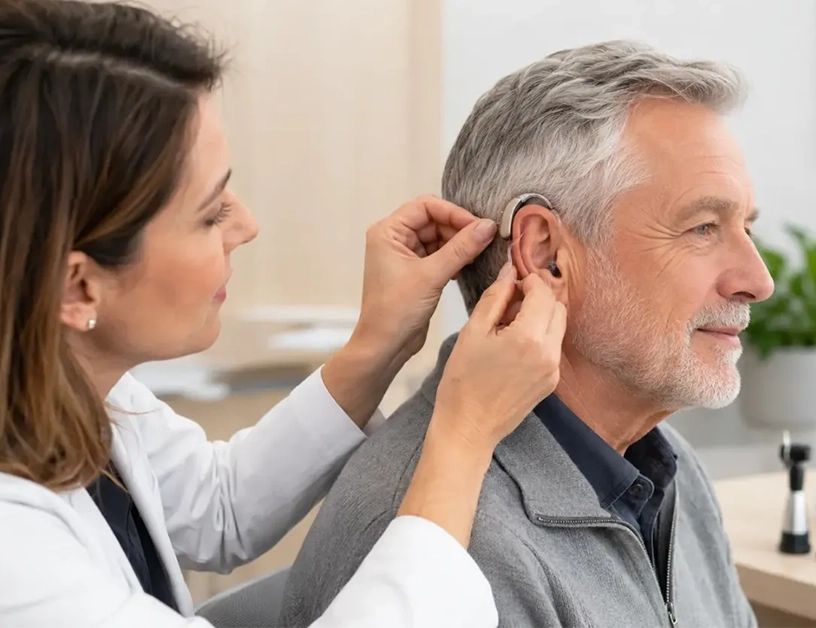
Picture this. You have just finished your assessment, selected your devices, and are now looking at your calendar. The date is set for your first appointment, but a little voice in your head is asking a very valid question: what exactly will happen?
If you are feeling a bit nervous, take a deep breath. It is quite normal to have butterflies, especially if you have never worn these devices before. Getting your new hearing aids is not just about popping them into your ears and walking out the door. A proper hearing aid fitting step-by-step journey involves careful programming, physical fit adjustments, sound verification, education, and mapping out your long-term follow-up care. Let us put your mind at ease and walk you through exactly what you can expect when you visit our clinic.
Key Takeaways Before Your Visit:
- Your appointment is uniquely personalized to your ear shape, hearing prescription, and daily listening habits.
- The visit involves a blend of software programming, physical comfort checks, and hands-on practice.
- It is standard for everyday sounds to feel a bit sharp or different at first as your brain adjusts.
- Ongoing support, education, and future adjustments are built right into the process.
What Is a Hearing Aid Fitting?
Think of this appointment as the bridge between your test results and better daily communication. A hearing aid fitting is the dedicated time when your devices are professionally programmed, adjusted, and checked to match your audiogram and your daily listening needs.
This process is thoroughly personalized. After all, every person’s ear shape, lifestyle, and listening challenges are different. At Discover Hearing Centre, we know that a proper fitting is vital. It directly improves your physical comfort, optimizes sound amplification, and builds your confidence so you can use the devices successfully in real-world environments.
Why Professional Hearing Aid Fitting Matters
You could have the most advanced technology in the world, but it will fall flat if it is not tuned specifically to you. A professional hearing aid fitting appointment ensures you are getting an effective hearing loss treatment tailored to your life.
Professional fitting helps manage several important factors:
- Speech clarity in quiet and loud environments
- Listening comfort throughout the day
- Background noise management
- Physical fit within the ear canal
- Sound balance between both ears
- Ease of use with buttons or apps
- Long-term satisfaction and success
Simply put, these devices are not one-size-fits-all. They need a specialist’s touch to adapt to your ear shape, your lifestyle, and your valuable feedback.
Step 1: Reviewing Your Hearing Test Results
Before we adjust any technology, we need to look at the blueprint. Your appointment usually begins with a collaborative review of your hearing test results and your specific listening needs.
The hearing aid specialist will review your audiogram in clear, plain language, explaining which sounds are harder for you to hear and connecting those results to your real-life challenges. We might discuss scenarios like:
- Trouble hearing conversations in noisy restaurants around Kitchener-Waterloo
- Frequently asking family members to repeat themselves
- Missing higher-pitched sounds, like birds chirping or microwave beeps
- Difficulty catching every word on a phone call
- Struggling to follow along in work meetings or family gatherings
At Discover Hearing Centre, this step involves discussing your symptoms, lifestyle, and medical history to ensure we start off on the right foot.
Step 2: Programming the Hearing Aids
Next comes the technical side of the visit. Your new hearing aids are tuned according to your precise prescription. This hearing aid programming controls exactly how much amplification is provided at different pitches and sound levels.
Using specialized software, the hearing specialist may adjust several features:
- Overall volume levels
- Speech clarity settings
- Background noise suppression
- Feedback and whistling control
- Physical comfort settings
- Specific listening programs for music or crowds
- Phone and Bluetooth connectivity features
Keep in mind that your first settings are rarely your final settings. Your devices will likely be fine-tuned over time as you adapt to your new auditory landscape.
Step 3: Checking the Physical Fit and Comfort
Now we see how everything actually feels. During a hearing aid comfort check, the specialist will carefully place the devices in your ears. They should feel secure and snug, but they should never cause pain.
We will run through a few physical checks together:
- Whether the main body of the hearing aid sits properly behind or inside the ear
- Whether the silicone dome or custom earmold feels comfortable
- Whether the device feels too loose or too tight
- Whether there is any feedback or whistling when you move your jaw
- Whether you can easily insert and remove the devices yourself
Please speak up if anything feels uncomfortable. Even if the issue seems small in the clinic, it can become bothersome after hours of wear.
Step 4: Sound Verification and Listening Checks
We want to know that the sound reaching your eardrum is doing exactly what it is supposed to do. Some fittings may include verification steps, such as real-ear measurements, when appropriate and available.
In simple terms, this verification helps check how sound is travelling through the device and into your ear. Since every person’s ear canal shape affects how sound is delivered, this step improves the overall accuracy of your prescription.
Step 5: Learning How to Use Your Hearing Aids
There is a slight learning curve, but there is no need to worry. Patient education is a major part of the appointment. Especially for first-time hearing aid users, getting hands-on practice is the best way to build confidence before heading home.
Your specialist will gladly cover topics like:
- How to properly insert and remove the devices
- How to turn them on and off
- How to charge rechargeable hearing aids or change standard batteries
- How to adjust the volume control, if applicable
- How to use specific listening programs or smartphone apps
- How to connect to Bluetooth for phone calls or music
- How to clean and store the devices overnight
- What hazards to avoid, such as excess moisture or heat
Please do not feel embarrassed about asking questions or taking a few extra minutes to practice during the appointment. That is exactly why we are here.
Step 6: Understanding What Sounds May Feel Different at First
Experiencing rich sound again is wonderful, but it can also feel unusual at first. If you have been living with untreated hearing loss for a long time, everyday sounds might seem sharper, louder, or much more noticeable in the beginning.
You might experience a few surprising sounds:
- Your own voice may sound different or louder to you
- Your footsteps on hardwood floors might seem quite loud
- Running water, rustling paper, or jingling keys may sound sharp
- Background sounds, like the refrigerator humming, will be more noticeable
- Speech will become clearer but may still require an adjustment period
This adaptation period is entirely normal. At Discover Hearing Centre, we counsel our patients that it takes a little time and support to feel truly comfortable. A simple hearing aid adjustment down the road can help refine these settings based on your real-world feedback.
Step 7: Planning Follow-Up Adjustments
Your hearing journey does not end when you walk out the clinic door. A hearing aid follow-up appointment is planned to check on your progress and fine-tune the devices after you have used them in your normal daily environments.
We will ask you to track a few things at home. Let us know if:
- Voices sound too sharp or too soft
- Background noise feels overwhelming at the grocery store
- The devices feel uncomfortable after a few hours of wear
- Phone calls are still unclear
- Restaurants or group conversations remain difficult
- One side feels noticeably different from the other
- You find yourself avoiding wearing the devices
How Long Does a Hearing Aid Fitting Appointment Take?
You might be wondering how much time to block out for your first hearing aid fitting. The exact appointment length can vary depending on the patient, the specific device type, your programming needs, the required comfort checks, the education process, and the number of questions you have. We make sure to take the time necessary, so you leave feeling informed and ready.
What Should You Bring to Your First Hearing Aid Fitting?
A little preparation goes a long way in making the hearing aid fitting process smooth. Here are a few practical tips:
- Bring your hearing test results if your assessment was completed elsewhere.
- Bring a list of specific listening situations you struggle with (e.g., watching TV, family dinners).
- Bring your smartphone if your devices connect to a phone app.
- Bring a family member or caregiver if having an extra set of ears is helpful.
- Write down your questions before the appointment so you do not forget them.
Be honest about your concerns, expectations, and any tinnitus, ear discomfort, or sound sensitivity you experience. Better communication helps your specialist personalize the fitting to your life.
Common Questions First-Time Patients Should Ask
We love answering questions. To help you get started, here are a few useful questions to bring to your visit:
- How do I put my hearing aids in correctly?
- How long should I wear them each day?
- What sounds are normal during the adjustment period?
- How do I clean and care for them?
- What should I do if they whistle or feel uncomfortable?
- How do I use the app or Bluetooth features?
- When should I book a follow-up appointment?
- What changes should I track at home?
You should leave the appointment feeling informed and confident, never rushed.
What If Your Hearing Aids Do Not Feel Right After the Fitting?
What happens if you get home and things just feel off? It is very common to need adjustments after using the devices in real life. Please contact the clinic for ongoing hearing aid care if:
- The devices feel uncomfortable or cause soreness
- Everyday sounds are too loud or too sharp
- Speech is still unclear
- Background noise makes it difficult to focus
- The hearing aids whistle often
- One device feels different from the other
- You are avoiding wearing them altogether
How Discover Hearing Centre Can Help
Finding a reliable hearing clinic Kitchener residents trust is a vital step toward better auditory health. Discover Hearing Centre provides expert fitting, programming, and adjustment services, along with ongoing hearing care, for patients in Kitchener, Waterloo, and nearby communities.
Whether you are looking for brand-new hearing aids that Kitchener professionals can program precisely or need help with devices you already own, our patient-focused care offers personalized technology tailored to your lifestyle.
We are proud to offer:
- Professional hearing aid fitting based on precise test results
- Personalized programming for maximum comfort and clarity
- Listening checks and sound verification when appropriate
- Clear guidance on using, cleaning, and caring for your devices
- Empathetic support during your adaptation period
- Follow-up appointments for necessary fine-tuning
- Help with existing hearing aids that require reprogramming
- Patient-focused care that explains each step clearly
Step Into Better Hearing: A Quick Recap of Your Fitting Journey
So, what happens during a hearing aid fitting? You get a customized, supportive, and engaging experience designed to get your hearing back on track. From reviewing your unique results and programming the devices to physical comfort checks and hands-on practice, every step is about finding the right harmony for your ears. It is about education, realistic expectations, and building a partnership with your hearing care team.
Schedule Your Hearing Aid Fitting at Discover Hearing Centre
Do not let nerves hold you back from experiencing the sounds you have been missing. Your appointment is designed to help you feel comfortable, confident, and supported as you begin using your new devices. Book your visit with Discover Hearing Centre for accurate programming, clear guidance, and a warm, welcoming environment.
Get Personalized Support for Better Hearing
Ready to take the next step? Reach out to our Kitchener-Waterloo clinic today, and let us help you rediscover the joy of clear communication.

You Might Also Like

7 Questions to Ask Before Booking a Hearing Test
How to Protect Your Hearing at Concerts and Festivals

Hearing Aid Domes vs Custom Earmoulds: Which Is Better for You?
Take the First Step Toward Better Hearing
Schedule a Hearing Test Today
Have Questions?
Curious about hearing loss, tinnitus relief, or treatment options in Waterloo? Talk to one of our hearing care professionals today.