


Can You Trial Hearing Aids Before Buying? What to Know and Ask
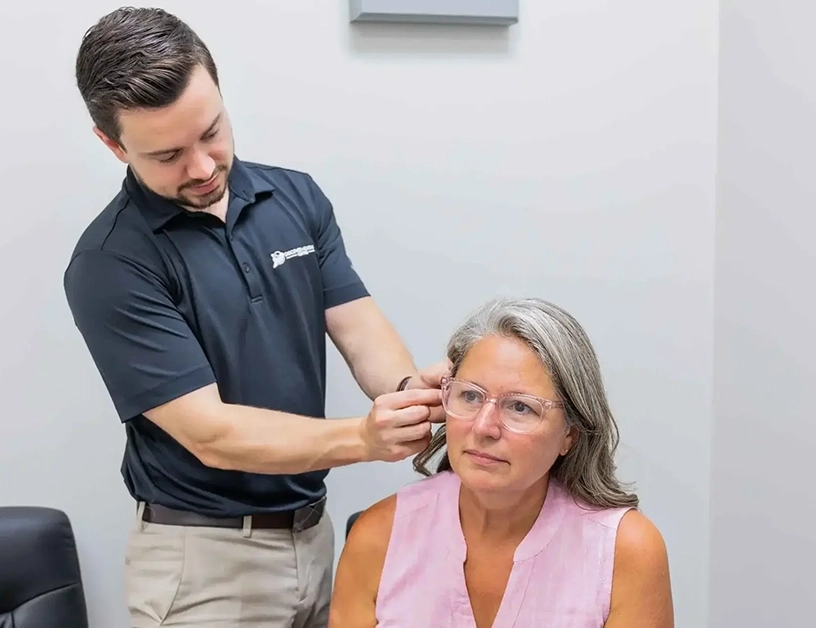
A quality pair of hearing devices represents a significant investment, often costing $3,000 or more. While testing them in a controlled clinic environment provides a baseline, it tells you very little about how they will perform at a noisy dinner table or in a busy office setting. If you are wondering, “Can you trial hearing aids before buying?” the answer is yes. Trial periods exist specifically so you can test these devices in your real life. Understanding what a good hearing aid trial period looks like and knowing what to ask before agreeing to one ensures you find the right solution for your unique needs.
Key Takeaways
- Most Canadian clinics offer a 30- to 45-day hearing aid trial period to properly evaluate the device.
- Real-world testing in noisy restaurants or outdoors is crucial for judging actual daily performance.
- Bringing a support person and your audiogram to the initial appointment ensures a customized, accurate fit.
- Professional trials offer clinical adjustments and personalized care, unlike standard over-the-counter options.
- Always confirm return policies, potential restocking fees, and the exact trial window before you begin.
How long is a standard hearing aid trial period?
When exploring hearing aid trial offers in Canada, you will find timeframes vary by provider. Most professional hearing specialist practices provide 30 to 60 days to evaluate your new devices. In Canada specifically, 30 to 45 days is the most common industry standard. This window gives your brain adequate time to adjust to processing new sounds. Alternatively, over-the-counter brands typically advertise a 45-day to 75-day risk-free hearing aid trial, often with return shipping included.
Many people wonder how long a hearing aid trial should last to get a proper feel for the product. While the number of days matters, what matters more is the level of professional support you receive during that time. A successful hearing aid home trial should include ongoing access to your hearing specialist for personalized adjustments, ensuring the technology matches your lifestyle requirements.
What should you test during a hearing aid trial?
The quiet clinic setting is the least useful environment for evaluating how well a device actually performs. Real-world testing is the entire point of the trial. To truly try hearing aids before you buy them, you need to expose them to your daily routines.
Start with restaurants and background noise, as this is the most common listening complaint for people with hearing loss. It is a critical test environment. Next, evaluate TV and media to see if speech clarity improves without needing maximum volume. Also check whether the device handles phone calls cleanly. Step outdoors to test for wind noise, a frequent issue with lower-tier models. Finally, have a quiet conversation to confirm your speech sounds natural, not tinny or over-amplified.
We recommend keeping a brief daily log during your evaluation. Note what works well and what you struggle with. You can bring these notes to your follow-up hearing services appointment so your hearing specialist can fine-tune the programming.
What to bring to a hearing aid trial fitting
Preparing for your hearing aid fitting ensures you get the most out of your trial period. To build a solid foundation, bring three key things to your appointment: your audiogram, a list of challenging listening situations, and a spouse or family member.
Your hearing specialist relies on your audiogram to program the device to your specific hearing profile. If you do not have a recent one, you will need a hearing test to establish this baseline. Your list of challenging situations helps the clinician understand your specific needs. For example, noting that you cannot follow conversations at weekly team meetings gives the hearing specialist a specific target for customization.
Lastly, bringing a support person is invaluable. Someone who communicates with you daily can observe subtle changes in your responsiveness and provide the hearing specialist with additional, objective input on your progress.
Questions to ask before starting a hearing aid trial
Not all trial offers are equal, and you should understand the terms before you commit. Asking the right questions protects your investment and ensures a transparent process.
First, ask whether a deposit is required and whether it is fully refundable. You also need to know the exact return window. Clarify whether the timeline is based on calendar days or business days, which is a crucial part of any hearing aid return policy. Ask if adjustments are included during the trial and how many visits you are allowed. It is also wise to find out if there is a restocking fee if you decide to return the devices. Finally, confirm if the trial applies to all device models or only specific ones. For instance, if you are interested in invisible hearing aids, verify that this specific style qualifies for the evaluation period.
Is an OTC hearing aid trial the same as a professional trial?
The short answer is no. Over-the-counter trials focus on product satisfaction, while professional trials centre on clinical fit, precise programming, and ongoing care.
With an OTC home trial, you receive a device in the mail, try it out, and return it if you are unsatisfied. There is no professional fitting and no custom programming based on your specific audiological needs. A professional trial involves a hearing specialist who programs the device directly to your audiogram. They provide fitting appointments, make adjustments based on your feedback, and monitor real-ear performance.
For tech-comfortable users with very mild issues, OTC options can be a good starting point. However, for those with moderate to severe loss or first-time users, a professional fitting makes the trial far more meaningful and effective, ensuring the device is calibrated to address your hearing challenges.
FAQ
Can I return hearing aids after the trial period?
After the formal trial period ends, most providers do not accept returns. Confirm the exact policy before starting your evaluation, and get it in writing if possible.
Do all hearing aids come with a trial period?
Most reputable providers, including both hearing specialist practices and OTC brands, offer trials. Some discount retailers or private sellers do not. Avoid purchasing without an established evaluation window.
Is there a charge if I return the hearing aids during the trial?
Policies vary by clinic. Some providers offer a full refund, while others charge a fitting or restocking fee. Certain OTC brands include return shipping. Always ask about potential fees before starting.
How many fitting appointments will I get during the trial?
A good professional trial includes at least two fitting appointments: an initial fitting followed by at least one adjustment session. Some providers include unlimited adjustments during the trial window.
Can I trial more than one hearing aid model?
Yes, some hearing specialists let you trial two models back-to-back, especially if the first isn’t performing well. Ask about this option, particularly if you are deciding between two different price tiers.
Finding the Right Fit for Your Hearing Needs
A proper hearing aid trial featuring professional fitting and real-world testing remains the only reliable way to evaluate whether a device works for your daily life. Discover Hearing Centre offers trial periods with expert hearing specialist support to ensure your devices function optimally in every environment. When you are ready to explore your options, contact the clinic to book your assessment today.

You Might Also Like

Why Diabetics Should Include a Hearing Test in Their Annual Health Routine
Invisible Hearing Aids: Pros, Cons, Cost, and Who They’re Best For

7 Questions to Ask Before Booking a Hearing Test
Take the First Step Toward Better Hearing
Schedule a Hearing Test Today
Have Questions?
Curious about hearing loss, tinnitus relief, or treatment options in Waterloo? Talk to one of our hearing care professionals today.